Our approach
Our approach
01
How dishes are born and change
We do not simply treat the oldest surviving recipe as the “birthplace” of a dish. Instead we follow changes in ingredients, equipment, preserving methods and trade, and set out the long process by which a dish took on the form we know today.
02
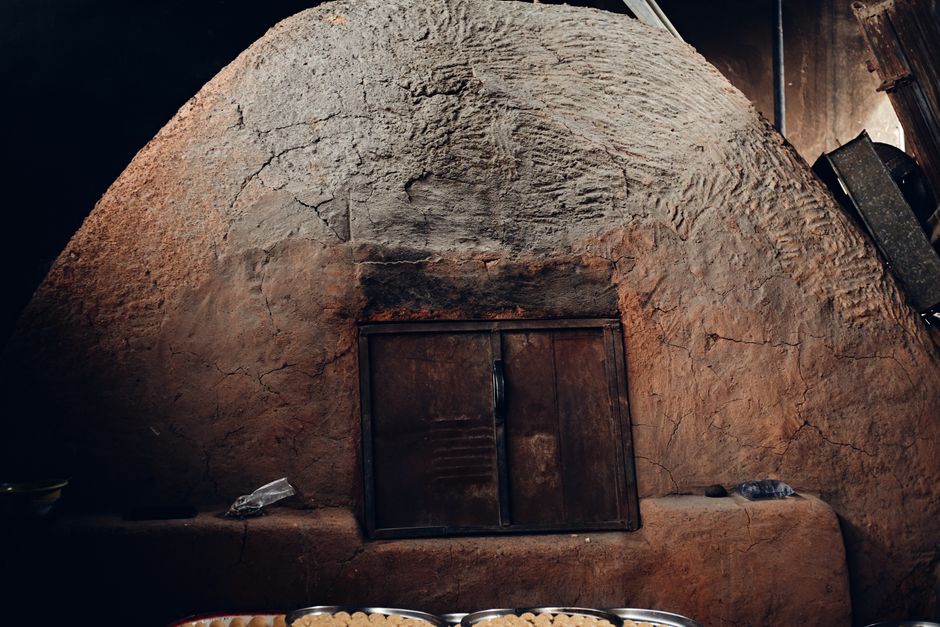
Kitchens, tools and technology
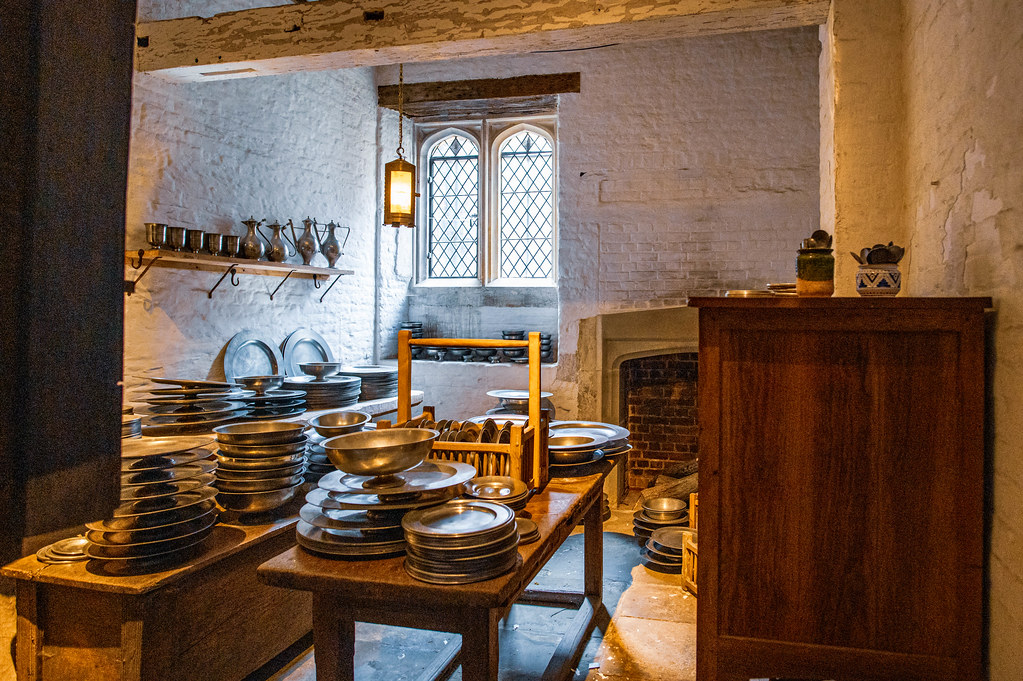
Open hearths, cast-iron ranges, gas cookers, refrigerators and the humble tin can: changes in the kitchen reflect changes in society. We look at how new equipment shaped home cooking, shops and eating out.
Research
How we research
Primary and secondary sources
Wherever possible we check claims against original documents and compare them with later retellings.
Wider context
We look beyond national borders, at trade routes, migration and climate, to understand why food changed.
Honest about uncertainty
We say when something cannot be proven, and we name competing theories instead of hiding them.