Britain drinks tens of millions of cups of tea every day, but the drink is not native to these islands at all. Its rise from rare luxury to everyday necessity is a story of royal fashion, smugglers, taxes and empire.
A new drink in the coffee houses
Tea reached Britain in the middle of the 17th century, largely through Dutch traders. In 1658, a London coffee house advertised “that excellent, and by all physitians approved, China drink, called by the Chineans Tcha, by other nations Tay alias Tee”.
On 25 September 1660, the diarist Samuel Pepys wrote that he “did send for a cup of tee (a China drink) of which I never had drank before”. At this stage tea was an expensive curiosity, sold in coffee houses and by apothecaries.
A queen’s fashion
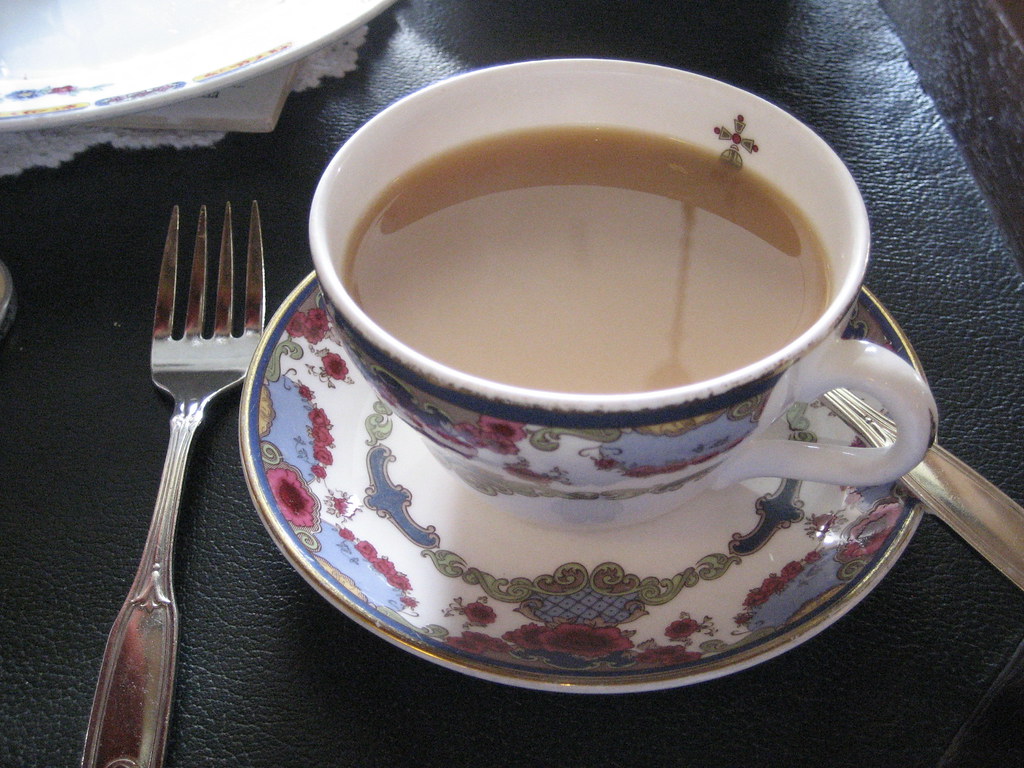
Catherine of Braganza, the Portuguese princess who married Charles II in 1662, was a keen tea drinker. Her enthusiasm helped to make tea fashionable at court, and aristocratic women began to serve it at home in fine porcelain imported from China.
Taxes and smugglers
Throughout the 18th century, tea was heavily taxed, at times at well over 100 per cent of its value. The result was a vast smuggling trade. By some estimates, more tea was smuggled into Britain than was imported legally, and smuggled tea was often bulked out with other leaves.
In 1784 the Commutation Act, introduced by Prime Minister William Pitt the Younger, cut the duty on tea from 119 per cent to 12.5 per cent. Legal tea suddenly became affordable, and smuggling collapsed almost overnight. Tea was now on its way to becoming a drink for everyone.
Tea from India
Until the 19th century, almost all of Britain’s tea came from China. After a native tea plant was identified in Assam in the 1820s, the British began growing tea in India, and the first Assam tea was sold in London in 1839. Later, tea plantations were established in Ceylon (now Sri Lanka). By the end of the century, tea from India and Ceylon had overtaken Chinese tea in British cups.
Fast sailing ships known as tea clippers raced to bring each season’s tea to London. One of them, the Cutty Sark, built in 1869, can still be visited at Greenwich.
Milk, sugar and the tea break
The British habit of adding milk and sugar developed in the 18th and 19th centuries. Sugar came from Caribbean plantations worked by enslaved Africans, a reminder that the history of the nation’s favourite drink is closely tied to the history of slavery and empire.
Tea became the fuel of industrial Britain and the centrepiece of the tea break. It was considered so important to morale that it was rationed during the Second World War, from 1940 until 1952.
The tea bag
Tea bags were developed in the United States in the early 20th century. Tetley introduced them to Britain in 1953, but many people were suspicious at first. Today the vast majority of tea made in Britain is brewed with a bag.
Key points
- Tea arrived in Britain in the 1650s and was first sold in coffee houses
- Catherine of Braganza helped make it fashionable at court
- Heavy taxes led to widespread smuggling until the duty was cut in 1784
- Tea grown in India and Ceylon overtook Chinese tea in the late 19th century
- Tea was rationed from 1940 to 1952, and tea bags arrived in 1953