Pickled onions on the pub bar, a spoonful of chutney beside a wedge of cheese, a jar of piccalilli at Christmas. Pickles are a quiet but constant presence in British food, and their history mixes old preserving know-how with the tastes of empire.
Preserving with vinegar and salt
Before refrigeration, pickling was one of the most reliable ways of keeping food through the winter. Vinegar’s acidity stops the growth of the bacteria that spoil food, and salt draws out moisture.
English cooks pickled almost anything: onions, cucumbers, red cabbage, beetroot, samphire and even green walnuts, a Victorian favourite. The characteristic British vinegar is malt vinegar, brewed from ale. In older cookbooks it is sometimes called “alegar”.
Chutney and the East India Company
The word “chutney” comes from the Hindi chatni, a fresh or cooked relish. British traders and officials working for the East India Company developed a taste for these relishes, and in the 18th and 19th centuries chutneys were shipped home from India.
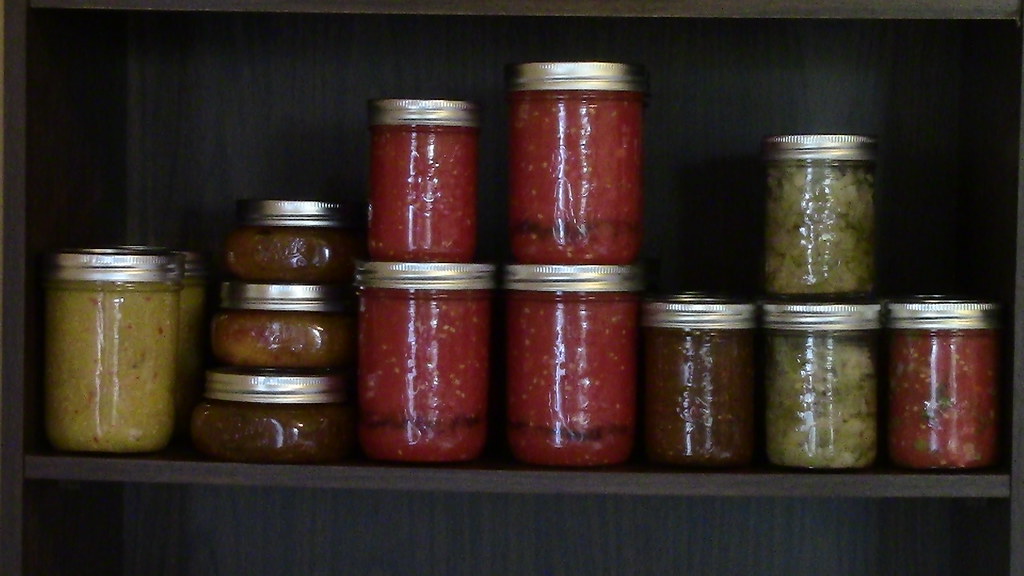
British cooks soon began making their own versions with local ingredients such as apples, plums, onions and green tomatoes, cooked slowly with vinegar, sugar and spices. The result was a sweeter, jammier style that is still made in many British kitchens every autumn.
Piccalilli
Piccalilli is a bright yellow pickle of cauliflower, onion and gherkin in a sauce flavoured with mustard and turmeric. A version appears in an edition of Hannah Glasse’s The Art of Cookery from 1758 under the name “Paco-Lilla, or India Pickle”, showing how early Indian flavours influenced the English larder.
Branston and the ploughman’s lunch
Branston Pickle, a chunky brown pickle of diced vegetables in a sweet and tangy sauce, was first made in 1922 in the village of Branston, near Burton upon Trent in Staffordshire. Its name has become almost a generic word for this style of pickle.
Pickle is an essential part of the ploughman’s lunch: bread, cheese, pickle and perhaps an apple. Farm workers had eaten simple meals like this for centuries, but the name “ploughman’s lunch” was popularised in the 1950s and 1960s, partly through marketing campaigns that encouraged pubs to sell bread and cheese.
A guide to British pickles
| Pickle | Main ingredients | Typically served with |
|---|---|---|
| Pickled onions | Small onions in malt vinegar | Fish and chips, cheese, a pint in the pub |
| Piccalilli | Cauliflower, gherkins, mustard, turmeric | Cold ham, pork pie |
| Fruit chutney | Apples, plums or tomatoes with vinegar and spice | Cheese, cold meats |
| Branston-style pickle | Diced vegetables in a sweet brown sauce | Cheese sandwiches, ploughman’s lunch |
| Pickled red cabbage | Red cabbage in spiced vinegar | Lancashire hotpot |
Key points
- Pickling in vinegar and salt was essential for preserving food before refrigeration
- Malt vinegar, brewed from ale, is the classic British pickling vinegar
- Chutney arrived from India through the East India Company and was adapted at home
- Piccalilli appears in Hannah Glasse’s cookery book as early as 1758
- Branston Pickle has been made since 1922, and the ploughman’s lunch got its name in the mid-20th century